Blog
Landlords Face Fines of £3,000 to £35,000 Under New Government Guidance
The
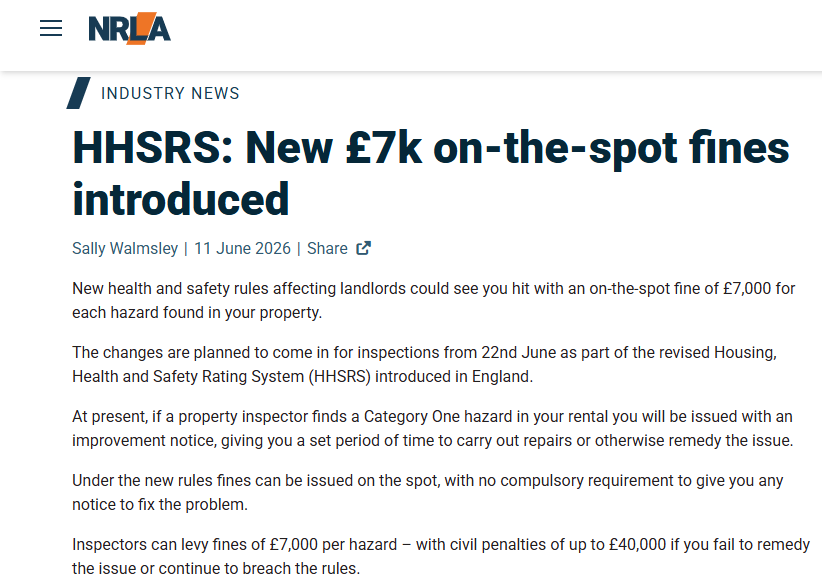
government has published new civil penalty tables under the Renters’ Rights Act
2025, and the figures are striking. The official guidance, released this week
on GOV.UK, sets out fines that start at £3,000
and rise to £35,000 for the most serious breaches. Many of the issues
covered were previously treated as routine compliance matters. They now carry
penalties more commonly associated with corporate regulation than traditional
housing enforcement.
The
highest penalties stand out immediately. Breaching a banning order now starts
at £35,000. Using a possession ground that a landlord “knew or should have known”
could not be met carries a £30,000
penalty. Reletting a property during
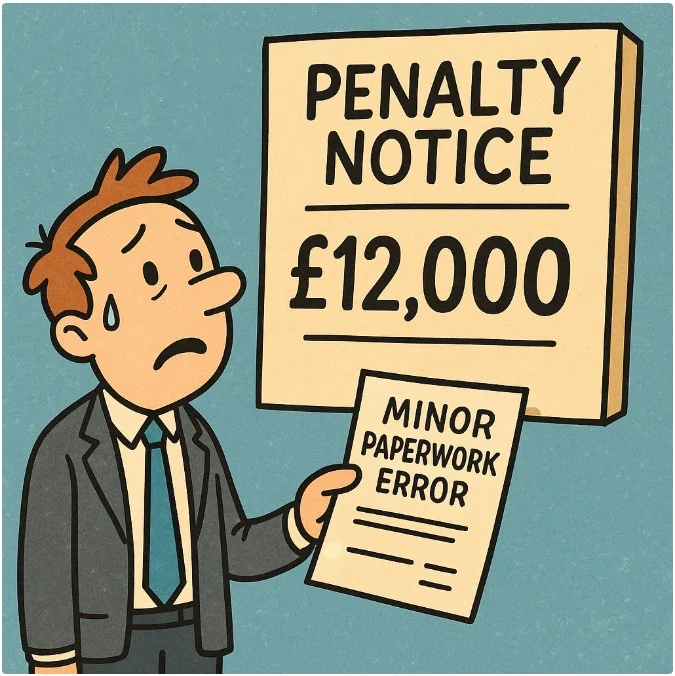
a no-let period attracts a £25,000 fine. Even administrative failures, such
as entering a selective licensing area without the correct licence, now begin at £12,000.
These
figures arrive at a time when landlord margins are already under pressure from
rising regulatory costs. The message is clear. Compliance is no longer a
procedural requirement. It has become a major financial risk. This shift will
influence the decisions of all landlords, whether they own a single property or
a large portfolio.
Comparisons
with other UK penalty regimes are revealing. Many workplace safety offences
attract lower fines than those now set for common housing compliance breaches.
A failure to meet gas safety requirements in a rental property can result in a
penalty larger than those imposed on companies that mishandle hazardous
equipment. Even misleading rental advertisements now carry a £4,000 fine, which exceeds penalties
issued for many small-business trading offences.
These
differences raise questions about fairness. A paperwork error or a misjudged
possession claim can now result in a penalty greater than those faced by
businesses operating in far higher-risk sectors. Once these figures are
compared side by side, the imbalance becomes difficult to ignore and is likely
to fuel further political and industry debate.
Local
authorities are expected to act quickly. The guidance allows councils to retain
income from civil penalties to fund further enforcement. This creates a clear
self-funding enforcement model. Teams that previously faced budget limits may
now be encouraged to act more frequently and more assertively. Licensing,
documentation, advertising, and property condition are likely to be priority
areas, as they now offer significant financial return.
Lenders
are also likely to respond. A single fine of £20,000 or more can materially affect the affordability of a
portfolio. Penalties linked to possession grounds will be of particular
concern, as lenders depend on stable tenancies to manage arrears risk. Insurers
may also tighten their criteria, especially for self-managing landlords or
those operating older properties where compliance records may be inconsistent.
Letting
agents will not be unaffected. The guidance suggests shared responsibility in
several areas. Agents handling advertising or documentation on behalf of
landlords may face increased scrutiny. This is likely to lead agencies to
impose stricter internal controls, which may increase costs for landlords using
full management services.
Tenants
will feel the effects as well. Councils will be able to intervene earlier and
impose penalties without lengthy court processes. Licensing and documentation
disputes may escalate more quickly. Some tenants will welcome this stronger
oversight. Others may find landlords becoming more cautious or withdrawing from
higher-risk parts of the market.
Professional
advisers are already urging landlords to approach possession decisions with
extreme care. The £30,000 penalty
for relying on an incorrect possession ground introduces a subjective test
based on what a landlord “should have known”. That alone is likely to generate
disputes, appeals, and new case law in the years ahead.
Overall,
the guidance signals a tougher regulatory era. It reflects a political decision
to make enforcement more visible and more expensive. For landlords, it
introduces a level of exposure that appears disproportionate when compared with
penalties in other regulated sectors.
This
is now the reality facing the private rented sector. Those who succeed will be
landlords who tighten their compliance systems, document every decision, and
treat governance as a core part of property management. The figures published
this week are a clear warning. Mistakes will carry serious consequences, and
the financial risks of non-compliance have never been higher.
AngelMoves Compliance Insight
AngelMoves
focuses on property compliance education, helping landlords and letting agents
understand how to operate safely in a regulatory environment where fines now
reach business-threatening levels.
Many
of the penalties outlined above arise from documentation errors, incorrect
advertising, licensing oversights, or misunderstanding possession rules.
AngelMoves helps landlords understand what compliance now requires in practice,
how to prepare and maintain correct records, and how to structure processes
that reduce the risk of costly enforcement action.
Under
the Renters’ Rights Act, mistakes are no longer minor. Education, preparation,
and disciplined compliance systems are essential for landlords who intend to
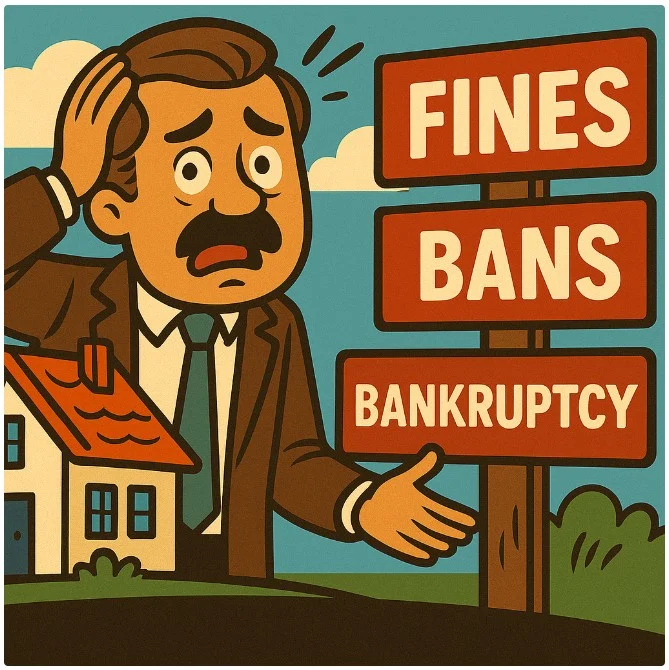
remain in the sector without exposing their business to fines, bans, or
long-term damage.
SOURCE:
https://www.property118.com/landlords-fines-renters-rights-act/
Related Posts


A Smarter Way for Landlords to Let with Confidence
23rd Dec 2025




LANDLORDS RISK FINES, BANS AND BANKRUPTCY – THE ANSWER?
19th Jan 2026
Rogue Landlords Hit With Hefty Fines After Fatal Fire
19th Jan 2026


No-Fault Evictions to End in England from May 2026
19th Jan 2026



Sadiq Khan’s landlord licensing fines near £25m
15th Sep 2026



Landlords face £3.5bn HHSRS penalty exposure
15th Sep 2026