Blog
Landlord compliance: a safety checklist for landlords (England)
The National Residential Landlords Association (NRLA) has highlighted the range of legal and safety responsibilities landlords must manage before, during and at the end of a tenancy.
Its landlord compliance guidance covers tenancy paperwork, safety certificates, deposit protection, property conditions, licensing and ongoing maintenance.
Collecting rent and renewing certificates are only part of managing a rental property. Landlords also need to check its condition, respond to reported problems and keep records showing what action they have taken.
What checks has the NRLA highlighted?
The NRLA’s guidance brings together several areas landlords should review.
Tenancy agreements and written information
The association highlights the importance of providing tenants with the required written tenancy information and ensuring paperwork reflects the Renters’ Rights Act changes.
This means checking the documents you actually use. An agreement saved on your computer several years ago may need reviewing before it is used for another tenancy.
Keep evidence of which documents were provided, when they were sent and who received them.
Gas and electrical safety
The NRLA identifies gas safety checks and electrical inspections as essential parts of a landlord’s responsibilities.
Look beyond the date on the certificate. Read the findings, check whether work was required and keep evidence that it was completed. A report identifying a problem needs action, not simply filing away.
Book checks early so that delays, contractor availability or difficulties arranging access do not leave you approaching a deadline without a plan.
Smoke alarms, carbon monoxide alarms and fire safety
The guidance also draws attention to alarm requirements, the safety of supplied furniture and fire precautions.
Check that the arrangements suit the property and how it is occupied. Shared accommodation and buildings with communal areas may require particular attention.
Keep records of alarm checks and follow up reported faults promptly.
Deposit protection
The NRLA highlights the need to protect tenancy deposits and provide the required information within the legal deadline.
If an agent handles this for you, ask for confirmation and supporting records. Know where the deposit is protected and what information the tenant received.
A payment receipt alone does not demonstrate that all deposit requirements have been met.
Property condition, damp and mould
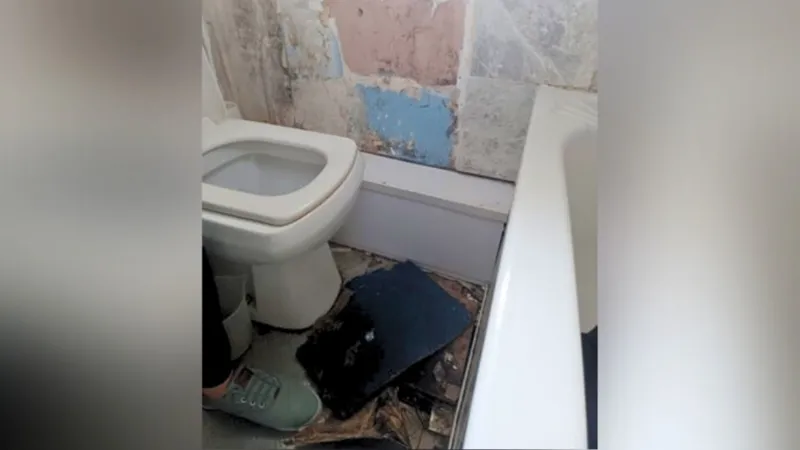
The association explains that landlords must consider the condition of the property throughout the tenancy, including heating, ventilation, damp, mould, drainage and structural maintenance.
Recurring problems need investigation. Cleaning mould or repainting a wall may improve its appearance, but an unresolved leak or ventilation defect can allow the problem to return.
Record the original report, inspection findings, work completed and follow-up checks. Photographs taken before and after the work help document what changed.
Licensing
The NRLA also highlights mandatory HMO licensing, additional licensing and selective licensing.
Check the requirements for the exact property address with the relevant council. Do not assume that a neighbouring property, another landlord’s experience or a previous letting confirms your position.
Where a licence applies, read its conditions and keep track of any required actions and renewal dates.
Right to rent, water safety and energy performance
Other checks discussed include right to rent, Legionella risk assessment and Energy Performance Certificates.
These are separate responsibilities. Completing one does not establish that the others have been addressed.
Keep the relevant records together and identify any follow-up checks, expiry dates or improvements requiring attention.
Inspections and ongoing maintenance
The NRLA’s guidance emphasises checks during the tenancy as well as before occupation.
Regular inspections help identify developing problems. Arrange access properly, document findings and record the action taken afterwards.
An inspection report is useful only if the issues it identifies are followed through. Give each outstanding task a responsible person, a target date and a completion record.
What does this mean in practice?
Consider an illustrative example.
A landlord has a current gas safety record and an electrical report. The tenant then reports mould around a bedroom window. A contractor cleans and repaints the area, but the mould returns.
The tenant contacts the council. An officer may ask to inspect the property and review the reports, photographs, correspondence and repair records.
The landlord needs to explain when the problem was reported, what was investigated, what work was completed and whether anyone checked that the underlying cause had been resolved.
Depending on the findings, the council may require further work or consider formal enforcement. Failing to respond appropriately can make the situation more serious.
A clear repair history helps demonstrate what happened. It also makes it easier to identify unfinished work before a complaint escalates.
The consequences can go beyond the cost of repairs
The NRLA warns that failures can lead to financial penalties, prosecution and, for qualifying offences, rent repayment orders.
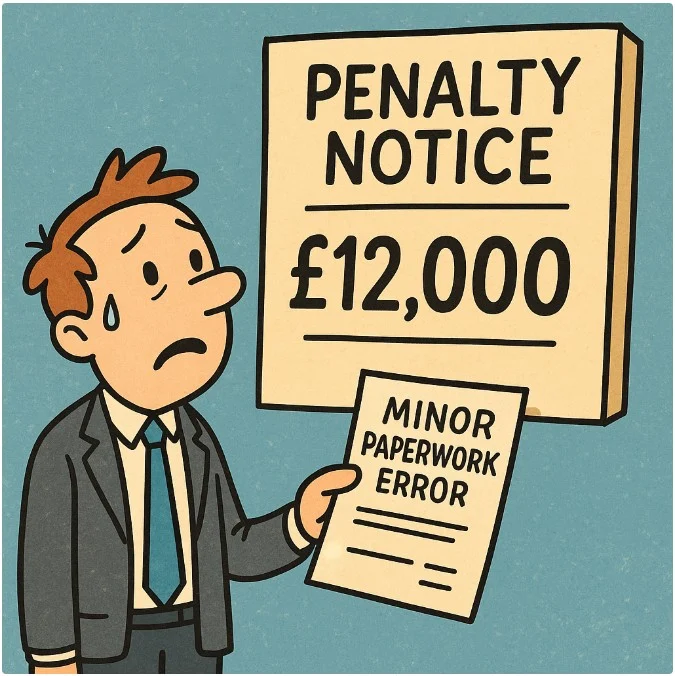
Current government guidance includes penalties of up to £7,000 for failing to provide required tenancy information and maximum civil penalties of £40,000 for certain housing offences. Expanded rent repayment order rules can cover up to 24 months’ rent for qualifying offences. These consequences depend on the particular breach and the applicable rules.
At £1,000 a month, 24 months’ rent amounts to £24,000.
Alongside any financial award or penalty, landlords may face urgent repair costs, professional fees and time spent responding to officers or preparing for proceedings.
Missing records can add to that disruption. Searching through old messages, chasing contractors for invoices and trying to reconstruct events takes time away from running the rental business.
Angel Moves’ professional counsel to landlords
Use the NRLA’s guidance as a starting point, then check what has actually been done at each property.
Keep safety records, tenancy documents, licensing information, inspection photographs and repair histories together. Allocate responsibility for outstanding work and confirm completion.
Legislation is national. Enforcement is local. Your property checks must take account of both national duties and the requirements applying in your council area.
Do not wait for a council inspection to discover what is missing.
Contact Angel Moves to book a free 30-minute consultation. We will discuss your property portfolio, examine the information available and help identify risks and the action needed.
We can also arrange property risk assessments focused on HHSRS Category 1 and Category 2 hazards, including problems that may be missed during an ordinary visual inspection..
Source: National Residential Landlord Association (NRLA)
Related Posts


A Smarter Way for Landlords to Let with Confidence
23rd Dec 2025




LANDLORDS RISK FINES, BANS AND BANKRUPTCY – THE ANSWER?
19th Jan 2026
Rogue Landlords Hit With Hefty Fines After Fatal Fire
19th Jan 2026


No-Fault Evictions to End in England from May 2026
19th Jan 2026



Sadiq Khan’s landlord licensing fines near £25m
15th Sep 2026


Landlords face £3.5bn HHSRS penalty exposure
15th Sep 2026